AI Agents for Recruiting Admin: Four Agents Above the ATS
Recruiters lose about two hours a day to admin: typing notes, scheduling follow-ups, updating the ATS after every call. For a 14-person firm that is 28 hours a week - a full working week, gone. AIOS Recruit is an agentic layer above the ATS (it replaces nothing - not Bullhorn, not Salesforce): four agents that take the call transcript, write the notes, draft the follow-up, build the reports, and book the meetings, with the recruiter approving every send.
Key takeaways
- The gap is between the conversation and the system: notes, follow-ups, calendars, and weekly numbers all cross it manually - that is where the two hours go.
- Four agents close the gap: notes written the moment the call ends, the client email drafted for a one-tap approval, the Monday report written automatically, and meetings scheduled straight from the call.
- The math: 14 recruiters at 2 hours a day is 28 hours a week. Same headcount, more calls, send-outs, and placements - and every agent action logged for compliance.
Full transcript1,489 words
Have you ever finished a day and had no idea where it went? You were busy the whole time and nothing actually got done. We're working with a recruiting company in the US right now, and this is their exact problem every day. They're a busy, growing recruiting company.
They have candidates, clients, and jobs that need their attention. The most valuable thing, they don't have time. I had a meeting with the founder last week, and here's what a typical day looks like for them. Sarah, their top recruiter, gets on the phone with a candidate.
Fantastic conversation, the kind that leads to a placement. The problem is she's busy, and nothing happens. The system doesn't understand the call or the meeting. So Sarah has to enter the information manually.
She has to schedule the follow-ups manually. She has to do the meetings manually. And by the time she's done, the next candidate is waiting. Honestly, it sounds exhausting.
This is where time slips into the gaps. In the meeting that I had with the owner, he said something that resonated: I don't need more candidates. I need high-producing recruiters with more time, so they can spend that time in front of clients and candidates to make money. So we're working with them to build a solution around this problem.
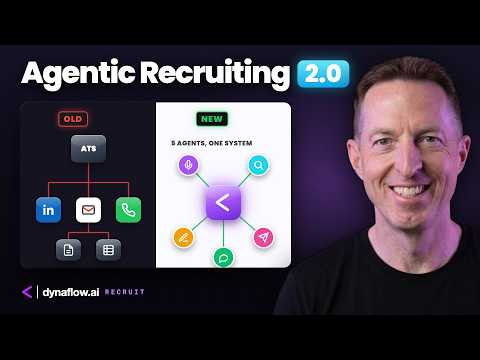
We're calling it AIOS Recruit: an agentic system that sits above their CRM. Agents that take notes and perform follow-ups. Agents that deliver reports and manage calendars. The recruiter does the call.
All the admin is handled automatically with AI. Let me show you how it works. By the end of this video, you will understand three things. One, where the hours go with this recruiting company that are wasted on admin.
Two, what an agentic layer looks like on top of their CRM. And three, the real cost if you don't automate this stuff. For those of you who don't know me, my name is Mike. I spent 20 years selling professional services into big tech enterprise as a recruiter, so I know how painful this admin stuff can be.
I've experienced this type of stuff in CRM hell. Been in the office late nights, typing in those candidate and client notes, wishing I was doing something else. We founded Dynaflow to help solve some of these problems. Agentic AI that sits on top of the tools you already own, to help you save time and make money.
So recruiters and businesses can save time dramatically and do the things that they really love: getting in front of clients, getting in front of candidates, spending time with your family. Here's the problem as I see it. On the left, we have the conversation: the call, the interview, the client check-in. This is important, because this is where the placements come from.
On the right, we have the system: the ATS, the CRM, the reports, the dashboard. The problem is in between. This is where the gap is. Getting data over that gap needs to be done manually.
Notes, follow-ups, next steps, calendar booked, weekly numbers. All typed, all manual. And this is the really compelling part. When we had the meeting, the owner said that he had already worked some of this stuff out.
He's recording the calls, dropping those transcripts into Claude Code, and getting the notes summarized back quickly. This part is good. And he said just doing this was a complete game changer. But that's just one step in the whole system, the whole process.
And that's kind of manual. Also, he doesn't have an AI team. He has a team of productive recruiters who want to make money. And what he needs is someone to help him build the total system.
And this is what we do. We partner with you to help build this stuff, so you can save time and focus on your business. So what is AIOS Recruit? Basically, AIOS Recruit is a layer that sits on top of your current system, your current CRM.
It doesn't replace Bullhorn, Atlas, or Salesforce. It understands what's happening on the left, so it can send it to the right and fill in that gap. And we built four agents to start. One, the notes agent: the call ends, notes are added automatically.
Two, the follow-up agent: the agent drafts the email, ready to go. Three, the reporting agent: visual analytics that look amazing and help recruiters visualize their business quickly. And four, the scheduling agent, which actually gets availability and can help schedule meetings automatically. How cool is that?
Agentic AI is the real deal and a real tool. We just need to know how to implement it and use it correctly. And our philosophy is that we believe humans should always be in the loop and able to make that final decision, human to human, giving it that human touch. So now let me show you AIOS Recruit in action with the demo.
Before I start: this is a prototype of AIOS Recruit. Fictional recruiting firm, fictional candidates and clients. The AIOS engine underneath is the one running our company today; we have an actual AIOS for Dynaflow. So this is the demo.
Let's pretend this is Sarah, the recruiter, and she's on the industrial desk. She just finished a 34-minute interview with Priya, a plant controller candidate for a client called Halden. Sarah hangs up the phone. Literally, that's all she has to do.
Transcript ingested, handed to the notes agent. Now the interview notes come in: role, package, notice, motivation, red flags, next steps. All formatted to the company protocol. No manual labor involved in this.
All automated. This is the coolest part. Now check out the right side of the screen. This is the candidate record in the ATS, which is a recruiter CRM.
Before the call: the salary is not recorded, availability not recorded, and no notes. Now it's all filled in, as you can see. Notes attached, job linked. This is the last mile.
This is the last 20 percent. This is the difficult part, the part the recruiting company and the recruiters couldn't handle or automate. The follow-up agent has written the client email. The AI does the heavy lifting.
The recruiter makes the decision. Look at the sidebar: approvals, one. One thing needs you. Now Sarah receives it and makes the changes she wants.
So she approves and sends. And it's all done. Logged on the record, sent to the client. Send-outs this week: 11 to 12.
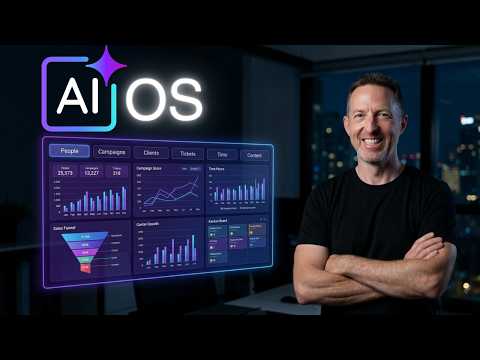
Again, the recruiter makes the final decision, and the heavy lifting is automated. Now the part the recruiting company never had: the dashboard. Calls, interviews, send-outs, client interviews, placements. The report was written automatically by the agents.
Every Monday morning, a full report for the owner to review. The scheduling agent, this is the coolest one. Following up with Priya, Thursday at 10. Invite drafted from the call.
The agent waits for Sarah's approval. And for the compliance people: everything is logged. Every step. Who did what, who approved what.
The green line is the recruiter. All on one screen. You can start to see the ROI from this stuff. That was about an hour of Sarah's day.
She spent 30 seconds on it just now. Totally automated. Four agents, one approval, zero typing by a person. If you run a desk and you'd like to work out where your two hours go a day, book a 15-minute meeting with me.
We'll go through your bottlenecks, what it looks like in your system, and we'll come up with some practical solutions. We believe in implementing stuff quickly for you, that actually delivers ROI immediately. So what is the ROI on this stuff? Let's take a look.
Here's the ROI: 14 recruiters, two hours a day each on admin. That's 28 hours. A full working week, gone. This firm spends a hundred thousand dollars a month running the business.
A big chunk of that is people typing into a system that gives not a lot back. And with AIOS Recruit, it's the same 14 people, in front of candidates and clients instead of doing admin. So there's more calls, send-outs, placements, this type of thing. When I first met with the owner, he said he wanted to scale the business dramatically, like three x in the next three to five years.
He said a lot of the bottleneck is actually humans doing the admin. So AIOS Recruit solves this problem. It gives the time back to the recruiters. So that's AIOS Recruit.
A layer above your CRM. Notes agent, follow-up agent, reporting agent, scheduling agent. The recruiter does the call. The agents and the AI do the rest.
If you're running a recruiting business and the day keeps slipping away, book a call with me. Bring your bottlenecks, I'll bring the solution. See you in the next one.
Auto-generated from the video's captions and lightly edited for readability. Commercial terms are covered on a call, not here.